Why drip beats a hose or a sprinkler for beds
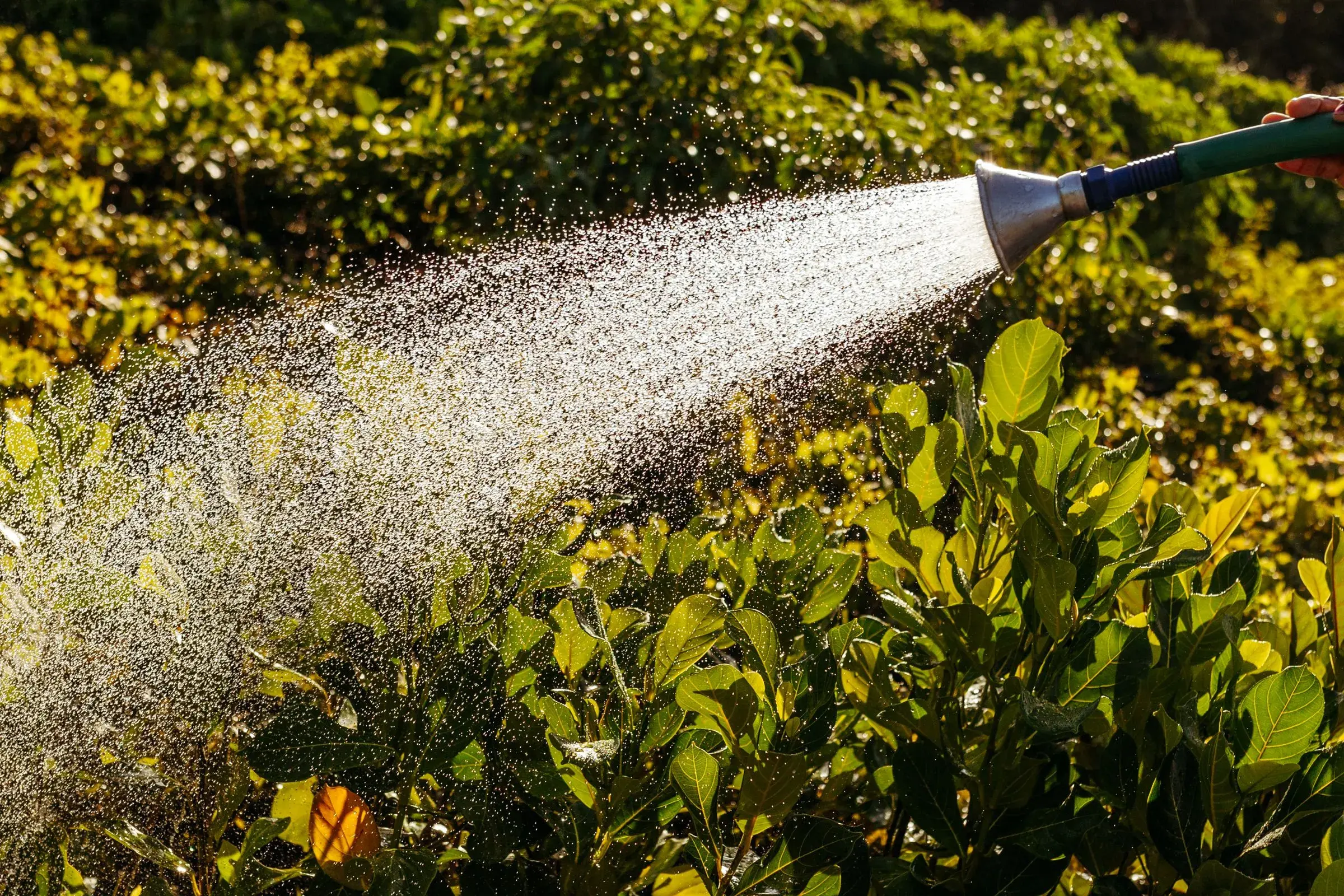
A sprinkler on a bed throws water into the air, wets the leaves and the paths and loses a lot to evaporation. Drip lines and emitters deliver water slowly to the soil at the base of each plant.
That means less water used, fewer weeds between the plants, and less leaf disease from wet foliage.
What to put on drip and what not to
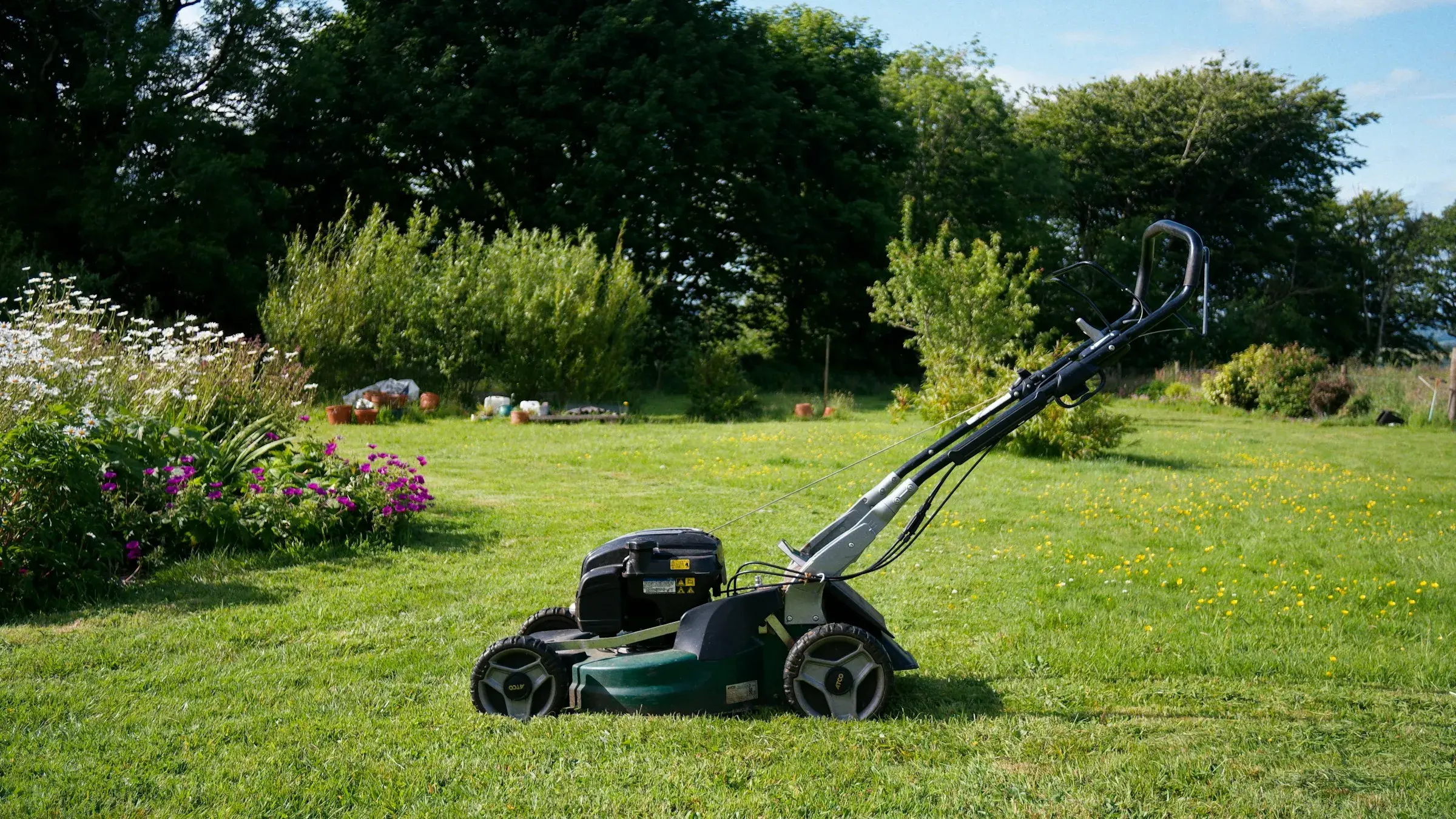
Drip works very well for shrubs, trees, hedges, roses, vegetables, herbs and pots. Lawns are different. Grass needs even coverage, so it is usually watered with sprinklers or rotor heads on a separate zone.
Keep the lawn zone and the planting zones separate, so each can run for the time it actually needs.
Water early or late, and keep it timed
Run the system in the early morning or late evening. A timer makes the habit automatic and is a big help if you are away. Adjust the run time with the seasons, longer in July and shorter in winter or after rain.
A rain sensor or simply switching the system off after a good rainy spell avoids wasting water.
Check the system every month
Drip systems fail quietly. Emitters block, lines get chewed or cut, and a plant can dry out while the timer happily runs. Walk the system once a month in summer and look at each plant.
Clean or replace the filter, flush the ends of the lines, and check that the water really reaches the plants. Replace blocked emitters straight away.
Check the local rules
In dry years the authorities may restrict garden watering. Rules can differ between areas and from year to year, so check what applies where you live. A drip system helps because it already uses water carefully.
Use water from the right source for your area, and avoid any watering that runs onto the road.