Start with plants from dry climates
Plants that grew up around the Mediterranean and in other dry regions already know how to handle a long summer. Look for small, grey or silvery leaves, thick waxy leaves, or fleshy stems that store water. These are all signs that a plant loses less water in the heat.
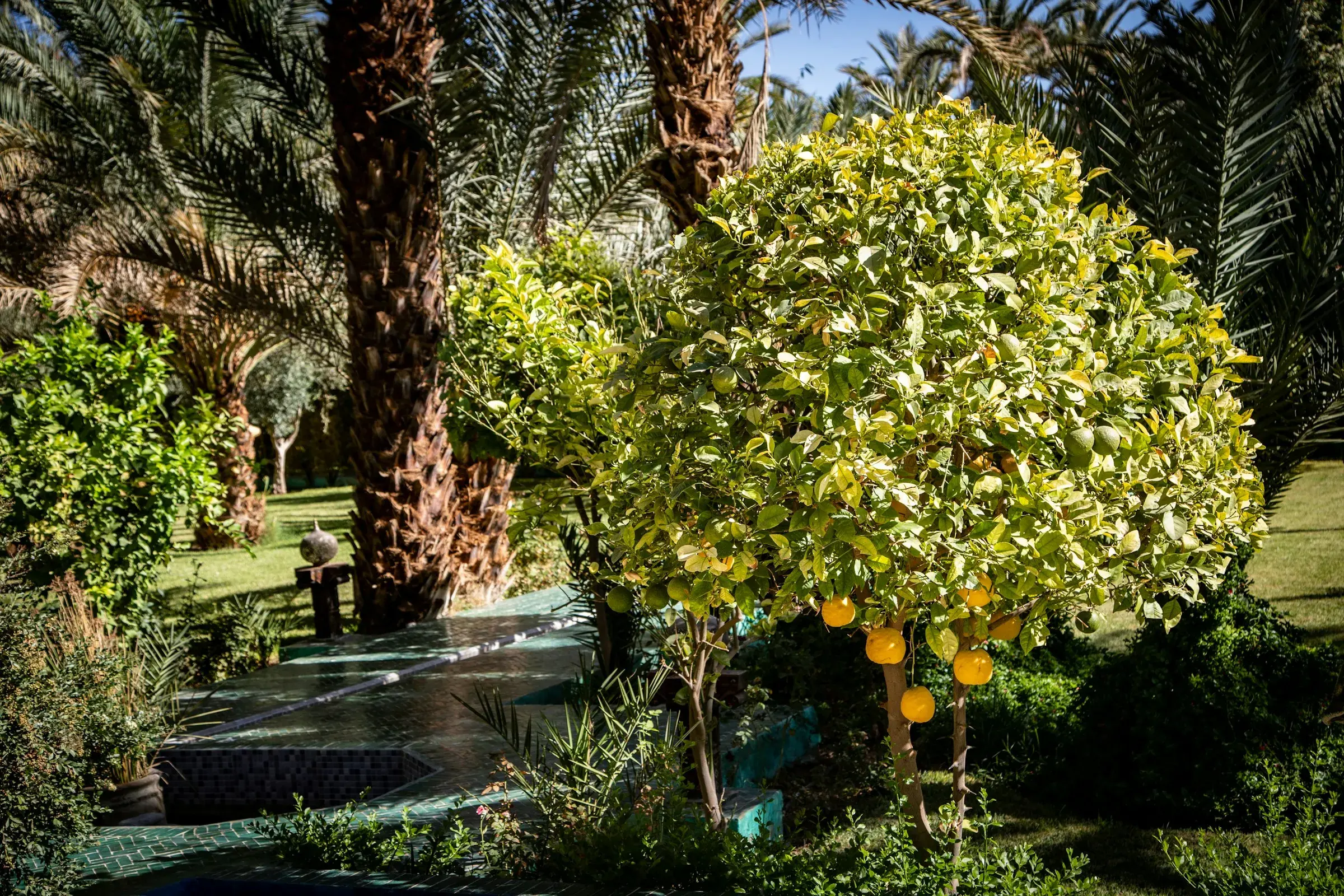
Reliable choices include lavender, rosemary, santolina, rock rose (cistus), Jerusalem sage, olive, carob, pomegranate, agave, aloe and many succulents. Bougainvillea, lantana and plumbago also cope well once they are established.
Plant in autumn, not in summer
The best time to plant in Cyprus is autumn and early winter, when the soil is still warm and the rains begin. Roots settle in before the next summer. A plant put in during July needs far more water and attention just to survive.
If you have to plant in summer, shade the young plant for the first weeks and water it deeply and regularly until it shows new growth.
Water deeply while plants are young
Even drought-tolerant plants need regular water for their first one or two summers. Water slowly so it soaks down to the roots, and leave a few days between waterings so the roots are encouraged to go deeper.
After that, most of these plants need only an occasional deep soak in the hottest weeks. Watch the leaves. Slight curling or dulling is a signal to water, and yellowing from too much water is a signal to stop.
Group plants by how much water they need
Put thirsty plants together and dry-climate plants together. This makes watering simple and avoids drowning a lavender because it sits next to a rose. A drip line for the thirsty group and nothing at all for the dry group is often enough.
Keep lawn areas separate from planting beds. Lawn needs far more water than a bed of rosemary and santolina.
Mulch and drainage matter as much as the plant
A layer of mulch or gravel around the plants keeps the soil cooler and slows evaporation. Many dry-climate plants dislike wet roots, so on heavy soil plant them slightly raised and make sure water can drain away in winter.
A word of care about oleander: it is very tough and flowers for months, but all parts of the plant are poisonous. Think about this if children or pets use the garden.