Know what you have
Many Cyprus soils are alkaline and chalky, and some are heavy clay or very shallow over rock. Alkaline soil can make it harder for plants to take up iron, which shows as yellow leaves with green veins.
Dig a hole and look. Is the soil dark and crumbly, or pale, hard and dry? Does water soak in or sit on top? This tells you what the garden needs.
What mulch does
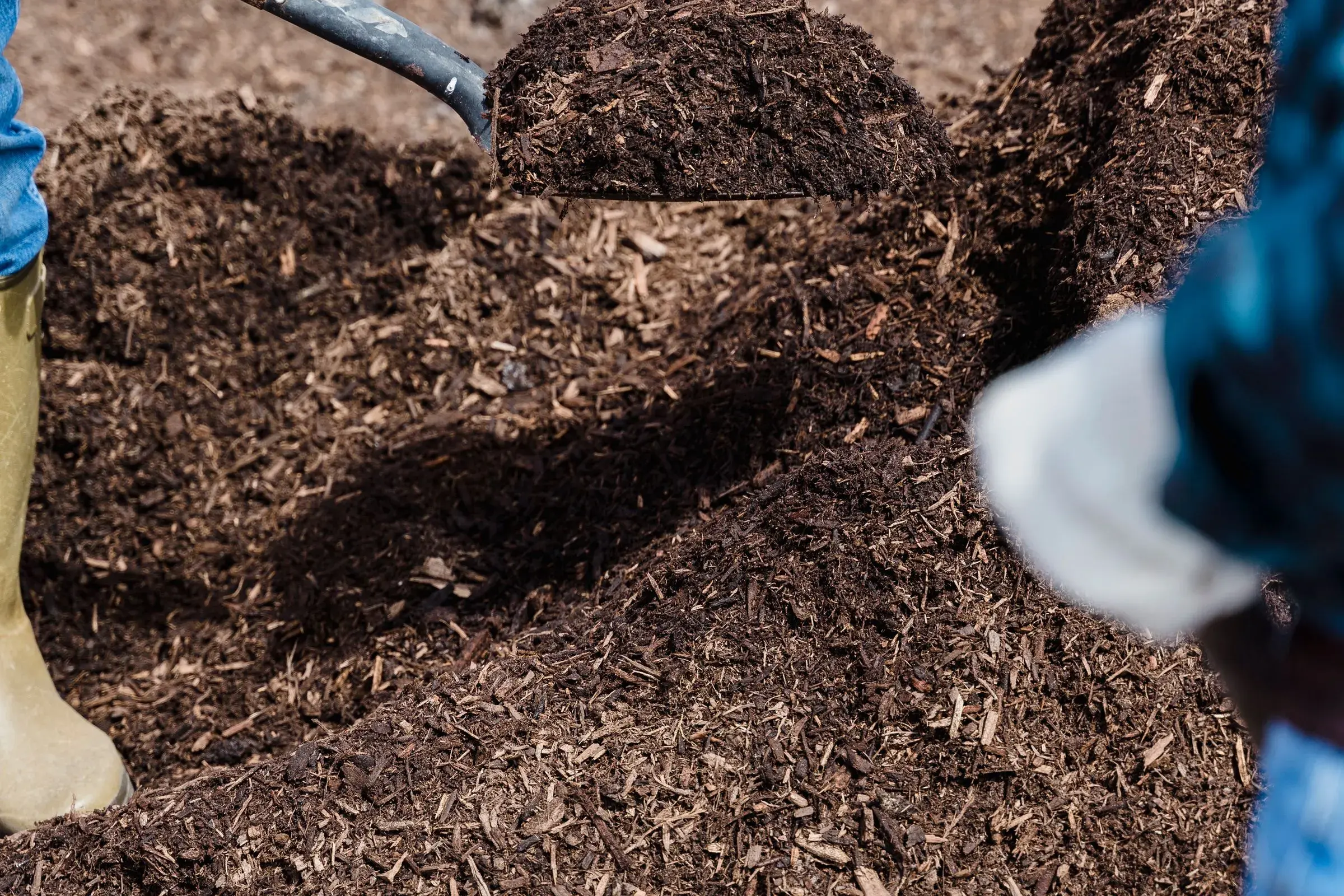
A layer of mulch keeps the soil cooler in summer, slows evaporation, cuts weeds and slowly feeds the soil as it breaks down. In a hot, dry climate it is one of the most useful jobs you can do.
Good materials are wood chips, bark, shredded prunings and pine needles. Gravel is also useful around dry-climate plants, though it does not feed the soil.
How to apply it
Spread mulch about five to seven centimetres deep over a clean, weeded and well-watered bed. Keep it a hand's width away from tree trunks and the stems of plants, so the bark does not stay damp and rot.
Top it up once a year as it breaks down. Do not put plastic sheeting under it, as this stops water and air reaching the soil.
Add compost in autumn
Compost improves almost every soil. In sandy soil it helps hold water and in heavy soil it opens things up. Spread a layer on beds in autumn and let the rain and worms take it down.
You can make your own from garden waste and kitchen scraps, or buy it in bags. Avoid fresh, uncomposted manure around young plants.
Work with the soil, not against it
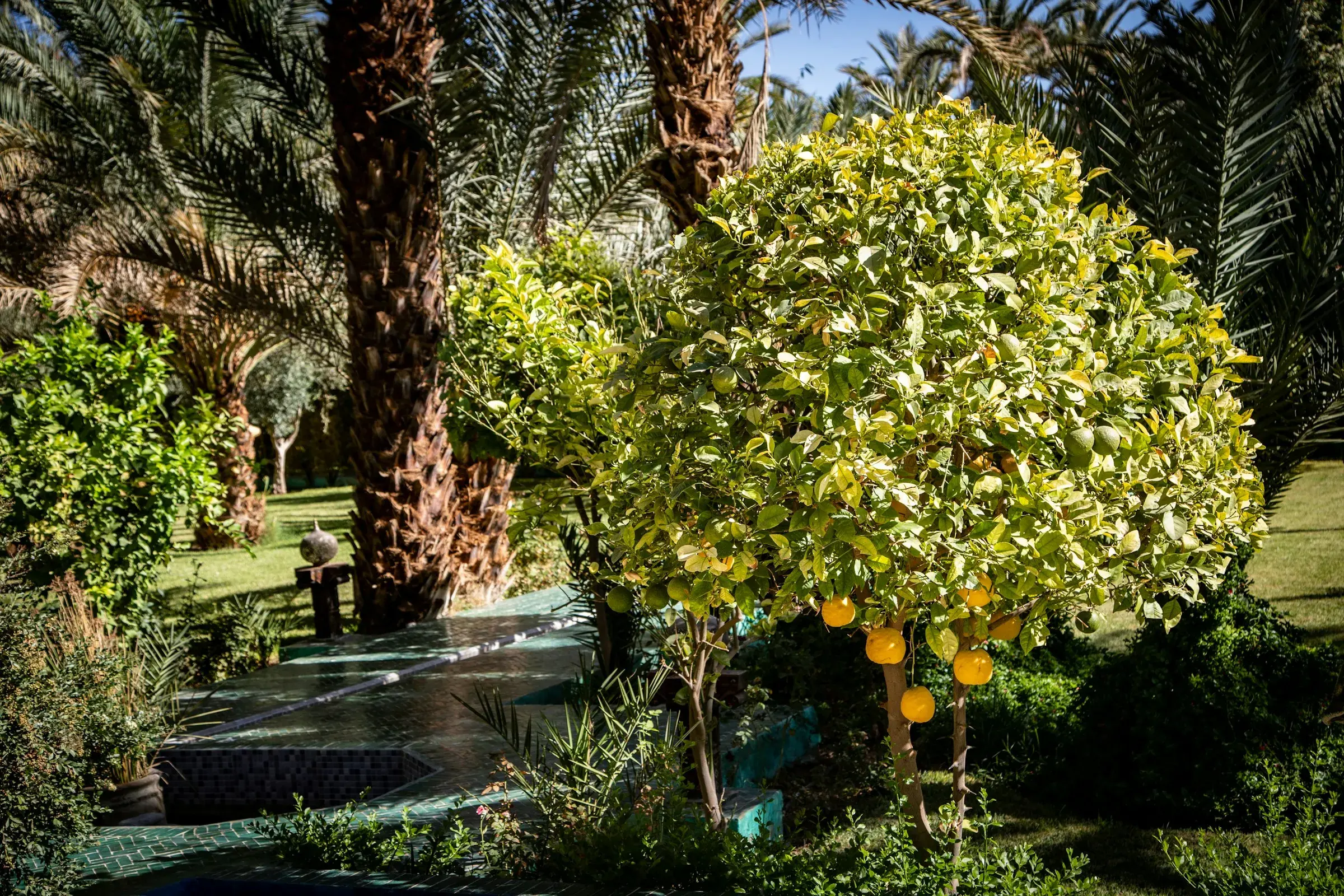
If your soil is alkaline, choose plants that suit it. Many Mediterranean plants do. For plants that struggle, such as some citrus, use a feed with trace elements.
Resist digging the whole bed over every year. Leave the soil structure alone, add mulch and compost on the top and let the soil life do the rest.